
Cleaning the shower: Keep tiles, joints and shower cubicle clean all round
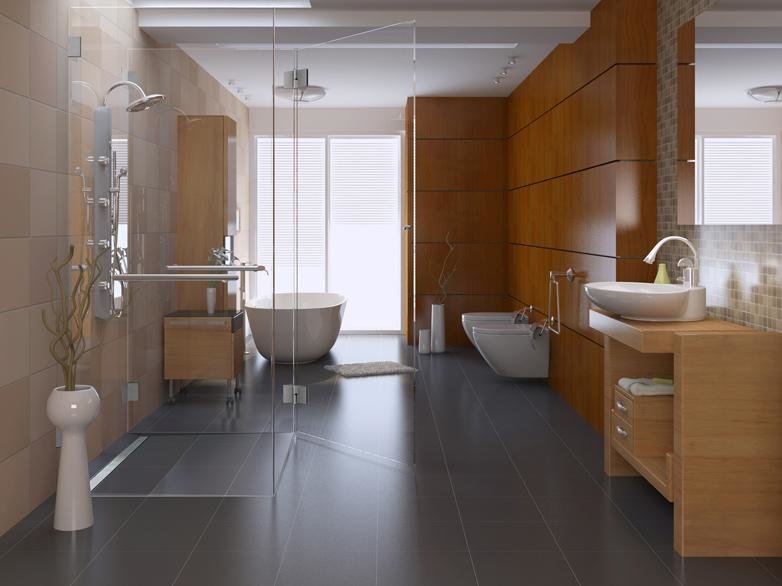
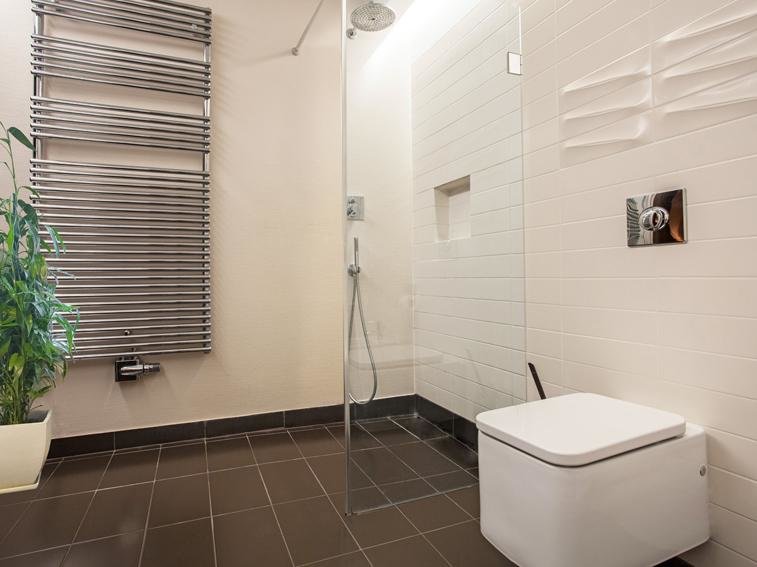
A walk-in shower with a smooth glass shower wall is a particularly effective solution for all those who hate cleaning. This is because the level floor makes this shower particularly easy to clean. Here are a few useful tips to help keep your shower - whether level-access or with a shower tray - looking like new for a long time.
Do I need special cleaning agents for the shower?
As a rule, conventional cleaning agents, washing-up liquids and glass cleaners from the drugstore are completely sufficient to achieve a shiny result. You should make sure that the ingredients of the cleaning agent are as gentle as possible on the skin and are not harmful to health. Do not use aggressive tile or grout cleaners. These can attack the material surfaces.
Generally recommended:
- Glass cleaner for shower walls
- All-purpose cleaner or rinse aid for floors
- Citric acid against limescale
How do I clean the tiles and joints?
You should be extremely careful when using "aggressive cleaners" to remove water stains or limescale deposits. Try normal washing-up liquid first before resorting to stronger agents. Some chemicals attack the grouting material and make it brittle until the grouting finally dissolves.
Do not use rough sponges, as these can quickly scratch tiles, acrylic shower trays and glass.
Step by step to a clean bathroom:
For stubborn limescale residue on the tiles, we recommend using household vinegar. Simply apply this to the soiled area with a sponge.
This process is even easier with the help of a spray bottle. Once the vinegar has soaked in for about an hour , it can be easily removed with a cloth and warm water.
- Apply household vinegar
- Leave to work for approx. one hour, depending on the level of soiling
- Remove with warm water
How often should you clean the shower?
If you clean the tiles and joints regularly, about once a month, with a gentle cleaner, you will prevent the joints from dissolving and mould from forming.
How do I avoid water and limescale stains?
A film of water often remains on the walls or floor of the shower. This can quickly lead to mould in joints or corners. Water stains are also often caused by limescale-rich water.
Water stains on fittings
Shower water also gets onto the metal fittings after every shower. If the tap is not wiped dry immediately after showering, an unsightly calcareous layer will form over time. However, simple washing-up liquid or glass cleaner and a microfibre cloth are usually sufficient to clean this.
Water stains on glass
Stubborn soap and water stains on glass shower walls can be counteracted at an early stage. To do this, it is important to dry the glass wall after every shower. Simply use a rubber squeegee to wipe off the excess water towards the floor. The most effective technique is an even horizontal movement from edge to edge. This prevents streaks from forming.
Limescale stains on the tiles
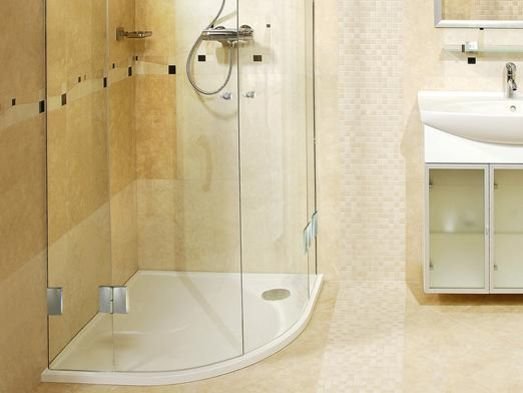
The major advantage of a walk-in shower is the ease with which the floor can be cleaned. This is because the shower floor can be cleaned in one go when regularly cleaning the entire tiled floor in the bathroom. But seamless shower trays are also easy to clean by wiping with all-purpose cleaner.
Cleaning tiles with an extreme layer of limescale?
If limescale stains have not been prevented for years, the limescale can adhere so strongly to the glass or bathroom tiles that it cannot be removed with simple cleaning agents. A thick layer of limescale forms.
These 3 tips can simplify time-consuming tile cleaning:
- Step 1: Mix30 g of citric acid (which is found directly in cleaning products) with one litre of water and soak a cloth in it.
- Step 2: Place the cloth on the limescale layer and leave to work for approx. 2 hours.
- Step 3: The limescale should now have dissolved so that it can simply be wiped away.
If it is a large area, this process must be carried out several times in short steps.
What helps against mould in the shower?
You usually only notice the problem when the first black spots appear in the shower. But even then, mould can still be effectively combated and future infestation prevented.
How does mould form in the shower?
Mould likes it warm and damp. Bathrooms and showers therefore provide the ideal conditions for mould growth. The silicone and tile joints are particularly affected. Regular and correct ventilation is the best way to prevent mould from forming in the first place. The room should also be heated from time to time so that damp areas can dry better.
This helps against mould
If black mould has nevertheless settled in the shower and bathroom, it must be removed as quickly as possible.
Home remedies against mould
- 70% alcohol
- Scouring milk and vinegar essence
- Mould remover from the drugstore
Mould in the shower can often be removed using simple means. Highly concentrated alcohol is often sufficient. This should have an alcohol content of at least 70% and is available in pharmacies or supermarkets. Mould can also be tackled with a mixture of scouring milk and vinegar. Mould removers from the drugstore are also an option. However, these have a high chlorine concentration and should therefore only be used sparingly.
Replacing the joints
If the mould in the shower cannot be removed even with various aids, the only solution is to replace the joints. To do this, the old silicone joints must first be removed. The substrate should then be thoroughly cleaned again before a new silicone joint is applied. Stubborn mould between the tiles can also be removed by grinding out the joints. However, this should usually be left to a professional, as there is a risk of damaging the tiles during the sanding process.
Don't just do something to prolong the life of your walk-in shower, do something for your well-being and a better attitude to life. With these helpful tips for cleaning a walk-in shower, nothing stands in the way of a hygienic shower experience.
Further information